Greenland 2: Migration
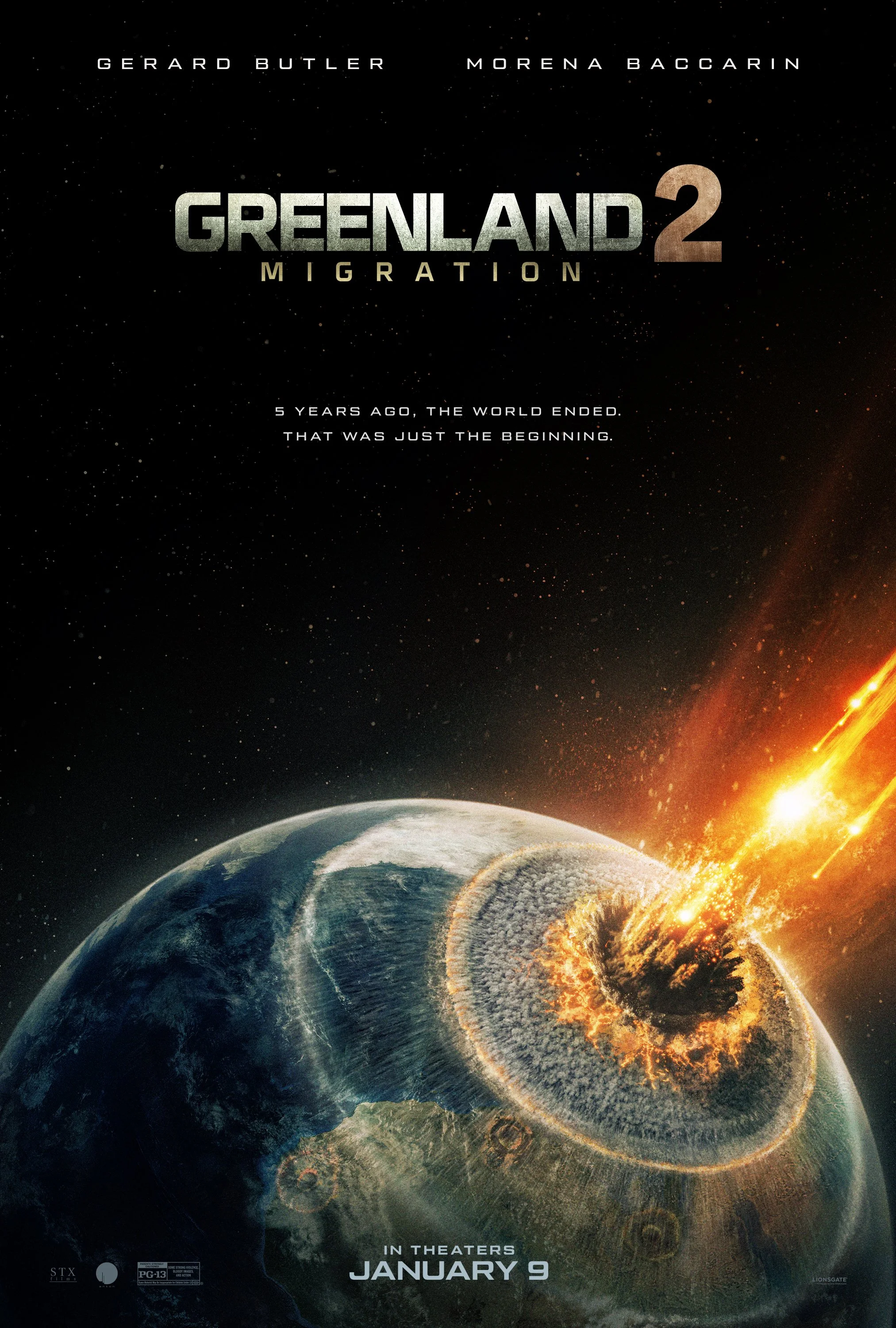
When your previous film concludes with the end of the world, where do you go from there? Underground to watch the remnants of humanity slowly wither and die in Cormac McCarthy style dive into the pitilessness of nature? Or as Ric Waugh’s follow up chooses, out into the world to admit (or pretend) it didn’t actually end, it was only mostly dead and decisions for the future must be made after all.
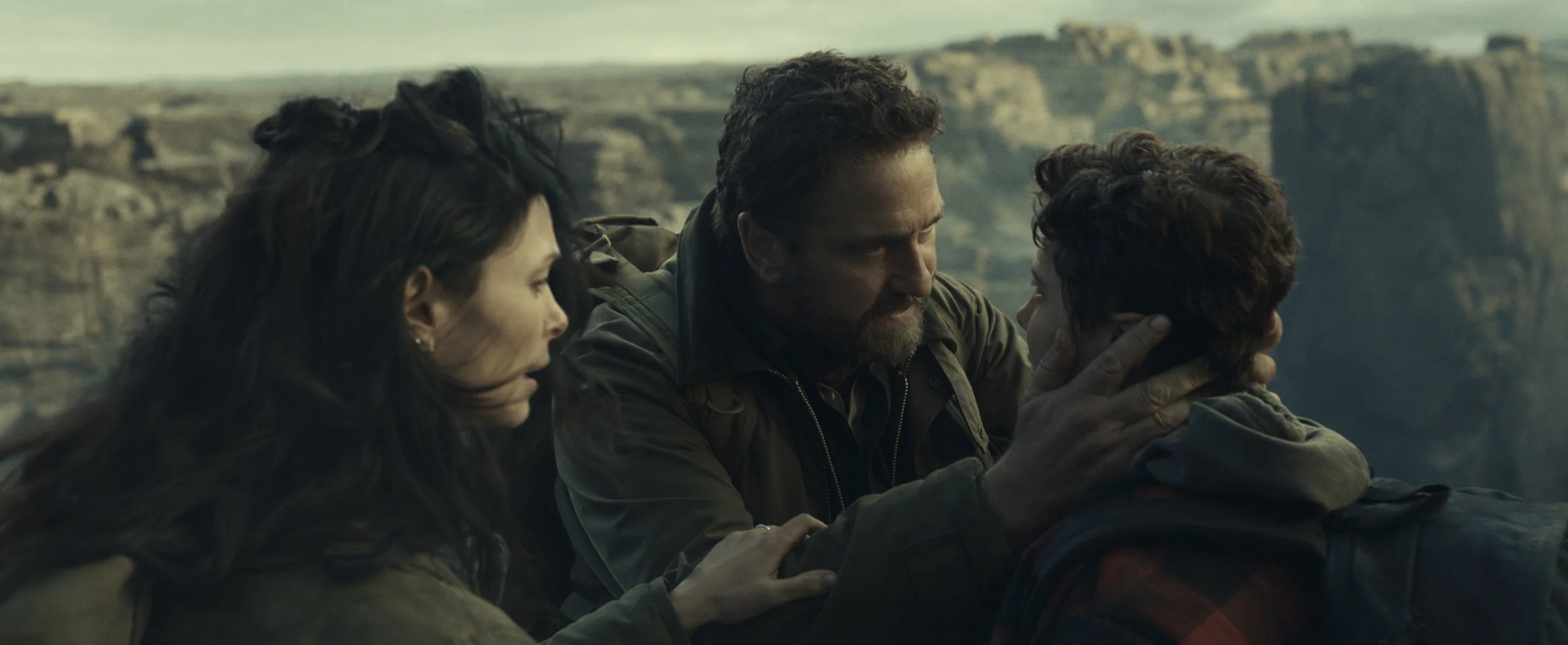
Picking up five years after the first film, John Garrity (Butler) and his family have been surviving in an underground bunker in Greenland, believing they are one of the only remaining pockets of humanity left on Earth. But they may not be surviving for much longer. Radiation from the comet strike stubbornly refuses to recede, making it impossible to plant food, while increasing earthquakes threaten to make their refuge uninhabitable. When a scientist friend proposes the mind-bogglingly unlikely theory that the comet's crater in southern France may be teeming with new life—the only place where human civilization can rebuild—the Garrity clan decide they have nothing to lose and embark on the dangerous journey south.
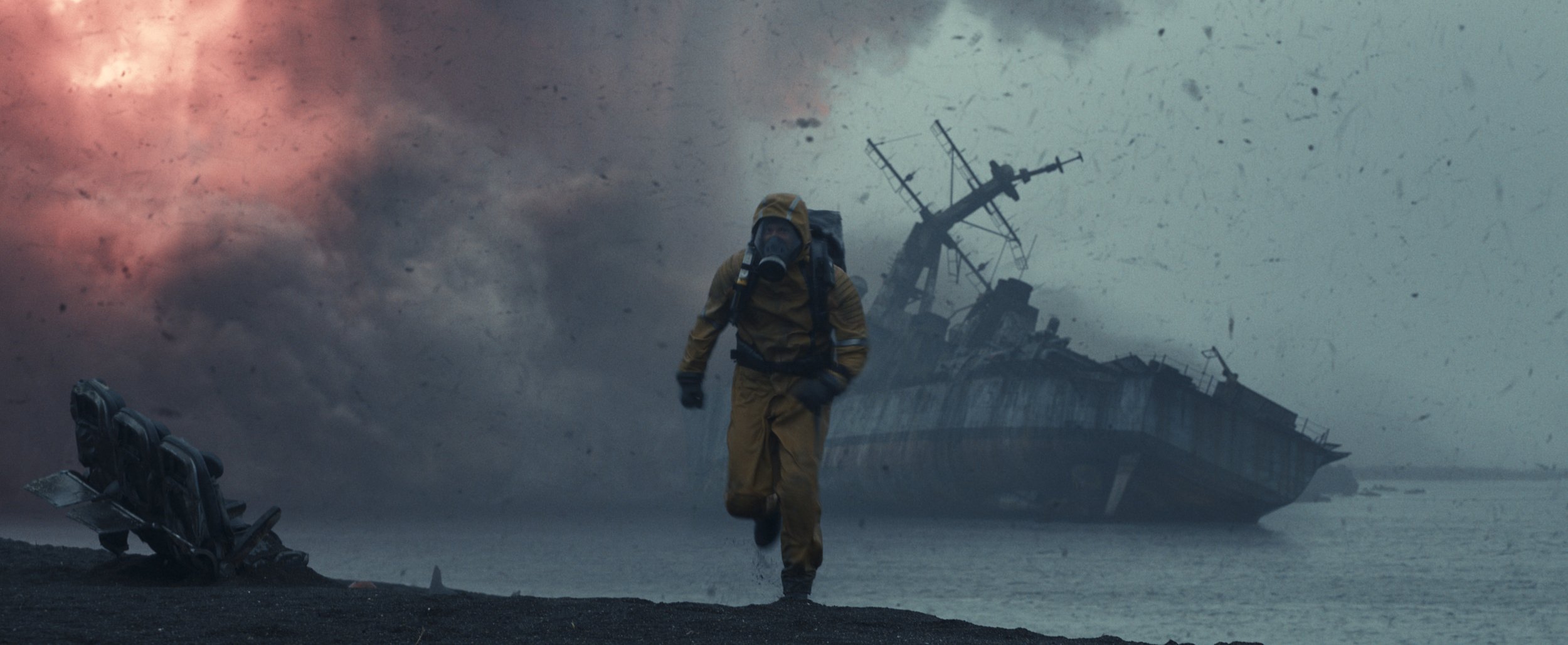
Greenland 2: Migration is the apotheosis of the '70s disaster film brought into the 21st century. That is high praise. The end result is highly episodic and frequently chaotic, with characters and dramatic beats coming and going sometimes without rhyme or reason. Yet it never loses focus on the cost to the family or the desperation Butler faces in keeping everyone alive and safe. No matter how ridiculous some of the plot instances are (you'd think at some point they would learn to stop having picnics in fields—it never goes well for them), it never feels false or wastes time trying to become the action movie it is not.
It would have been extraordinarily easy for the filmmakers to descend into a post-apocalyptic hellscape of violence, cynicism, and brutality and call that depth. While there is certainly petty conflict—not all of which makes sense or works in any logical world-building way—more often it moves into surprising meditation on the detritus of the past and the need to move on from it. Whether they are watching a group of elites hoarding resources in their own bunkers or driving past the ruins of treasure ships on the floor of the now drained English Channel, the ruins of the past are everywhere reaching out grasping fingers to hold them back. Yes, there are dangerous people who will ambush and rob, but there are also regular people who will help a family in need rather than exploit them. It is in its frequently warm humanity that Migration separates itself from and frequently exceeds the first film, eschewing normal action-oriented thrills for something more like an episodic character drama set against the worst setting imaginable.
This isn't to say the film takes full advantage of its setup. Rather, it bounces from conflict to conflict, never giving any one of them enough time to build into something truly dangerous. Many of these story beats could have been easily expanded into a full film on their own. But frequent Butler collaborator Waugh makes the bolder choice to keep the family heading south into France no matter what, bringing each new episode to a rushed and often surprising end.
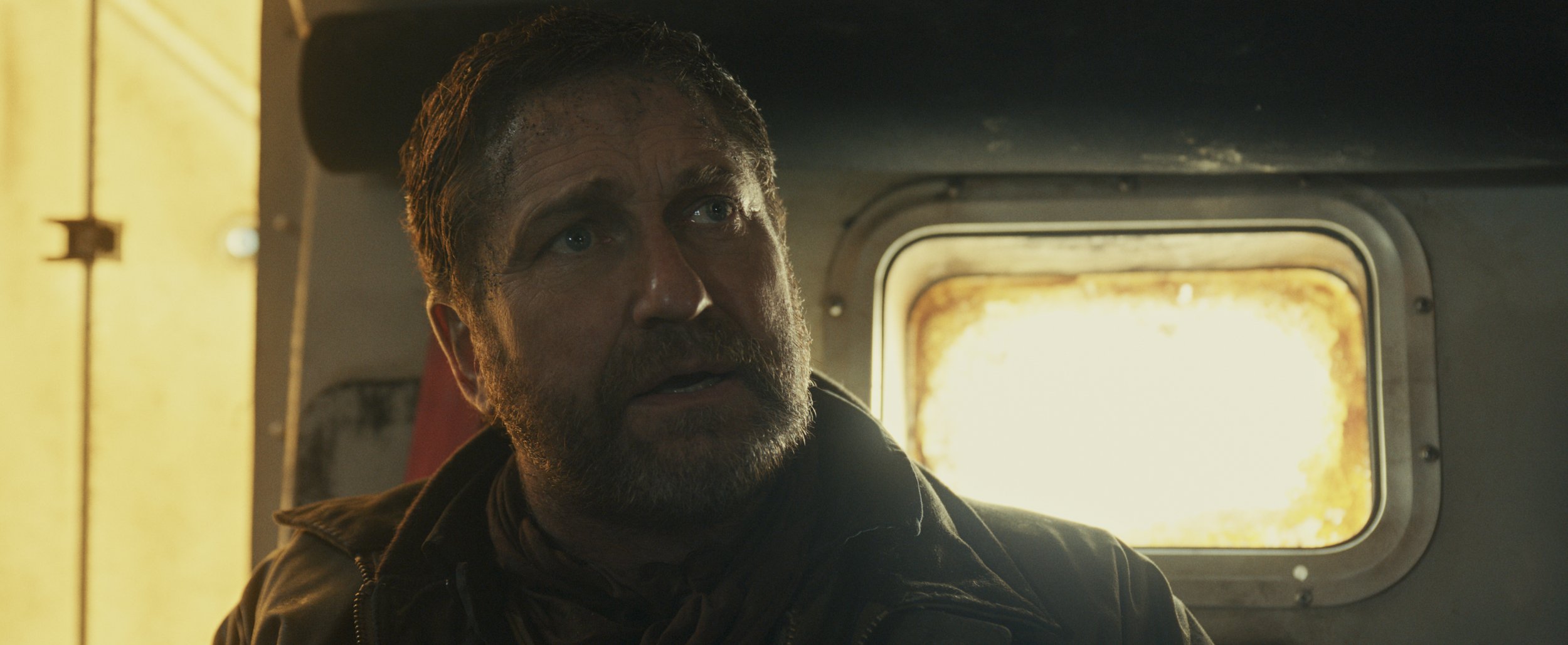
This structure gives Butler—and to a lesser extent Morena Baccarin—the opportunity and responsibility of holding the narrative together not with guns or mayhem but through the pathos of their characters recognizing the sheer odds they face. Butler's John Garrity, more than anyone else, carries the weight of the film as he eerily begins coughing up blood early on, suggesting there are no happy endings for him in the near future. Butler plays off that self-knowledge excellently, adding real weight and depth to all the twists and turns the family's voyage takes with the foreknowledge that he has limited time to succeed.
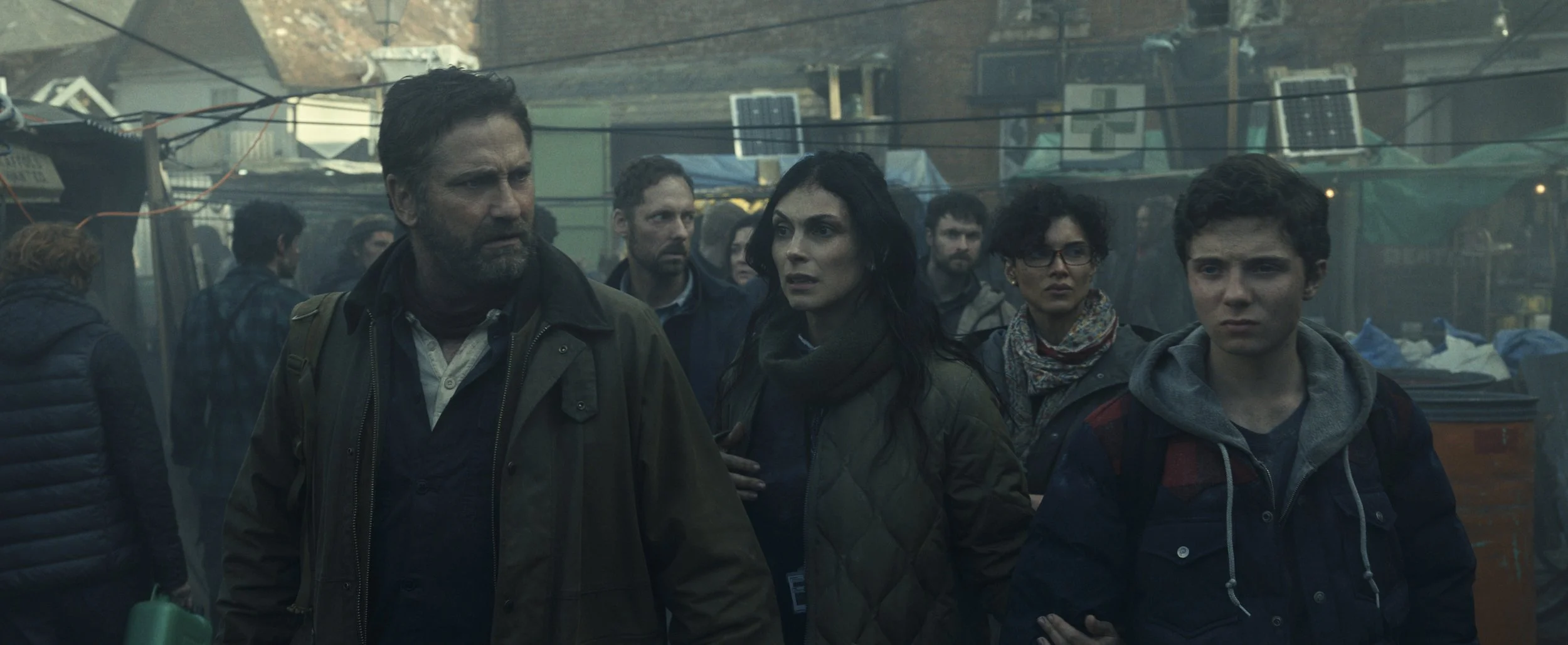
It all creates a film that is somewhat weightier than would be expected, especially for a sequel to the first Greenland. This isn't to say it has a lot on its mind beyond "you really have to do it together"—this is a surface-oriented version of depth. But it's trying in a genre and scenario where it doesn't have to and could potentially hurt itself by doing so. And mostly, it succeeds.
Butler may never get the accolades of a great actor or movie star even when he's had some excellent roles, but Migration is a film held together almost entirely by one actor and their performance—by design as much as by necessity—and that is no easy thing to do.
Greenland 2: Migration is a worthy and frequently superior successor to the first Greenland, throwing out most of the disaster film playbook to make something more episodic and introspective than anyone would have guessed, and ultimately more rewarding as well.
7 out of 10
Starring Gerard Butler, Morena Bacarin, Roman Griffin Davis, Peter Polycarpou, Amber Rose Revah, William Abadie, Sidsel Siem Koch. Directed by Ric Roman Waugh.