Supergirl
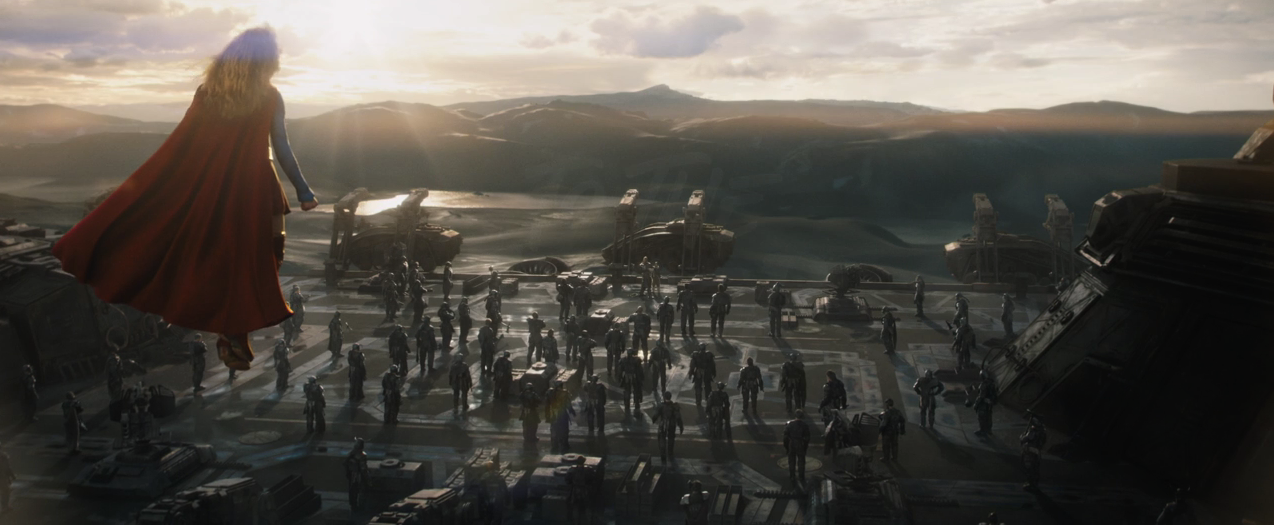
An unfortunate mix of some of the worst instincts of modern big budget filmmaking and some truly inspired casting offering promise for the future, Craig Gillespie’s Supergirl is an occasionally compelling entry in the latest version of DC films. Anchored by an excellent performance from Milly Alcock, it presents a vision of Kadddra Zor-El defined by grief, cynicism and dislocation which may not necessarily be everyone’s ideal for a fun summer superhero film. Built in intentional contrast to Superman – isolated instead of surrounded by humanity, longing for her past rather than her future, cynical instead of hopeful – it’s dour film which asks much of Alcock to retain interest, perhaps more than is possible or even fair. And still, even at its end, in search of its own identity.
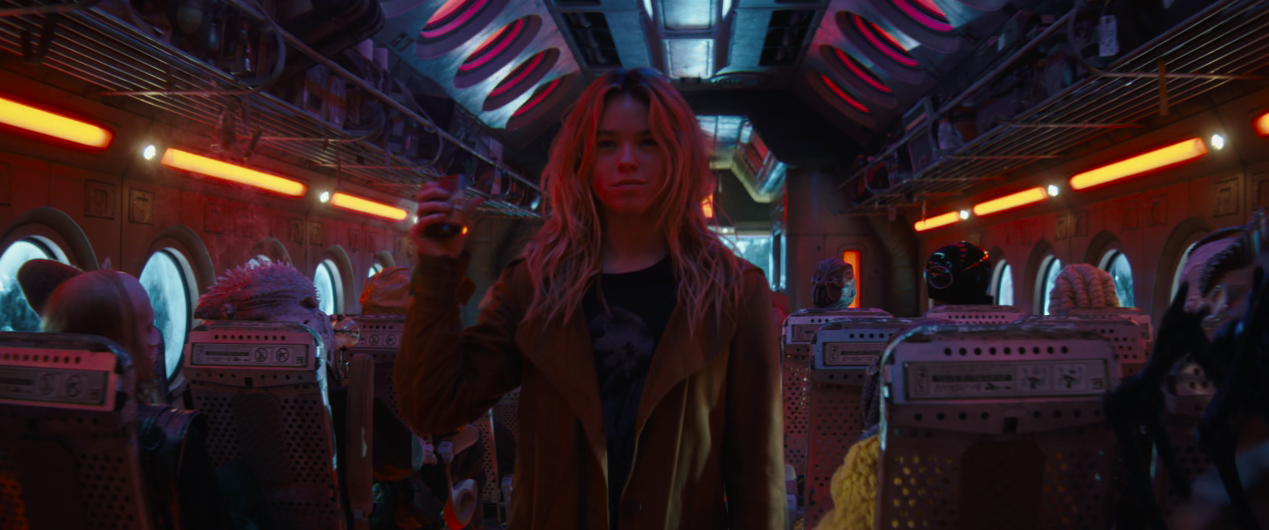
Rather than surviving the destruction of Krypton itself, Kara Zor-El was born in a floating city after the planets end. When the means of her people’s salvation turns against them in the form of deadly radiation poisoning Kara is sent to Earth to live with her cousin Kal-El, better known as Superman. Unable to handle the pain of loss and unwilling to follow her cousin’s course into superheroics, Kara bounces around outer space where she can dampen her powers to drink herself and her loneliness into a stupor. In the middle of one such bender to bounces into angst-ridden orphan Ruthye (Ridley) on a quest to revenge herself against the Brigand (Schoenaerts) who murdered her family. When Krem poisons her beloved dog Krypto, Kara finds herself dragged into the quest, trying to save her dog from death and Ruthye from a fate worse than death.
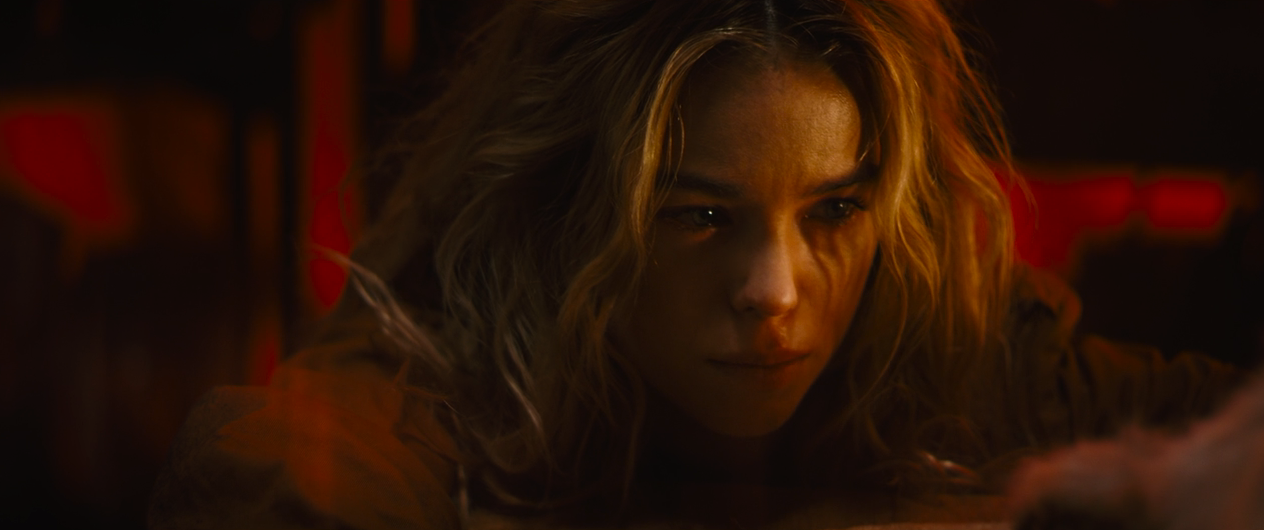
It’s the kind of set up which could deliver an interesting take on the classic superhero staple but requires a lot of goodwill on its audiences’ part, goodwill for which not enough has yet been done. Some of that comes from casting Kara as a reluctant hero full of bad habits, a literal dichotomy to Superman leaving her more defined by what she isn’t than what she is. It takes a lot of screen charisma to make that work and though Alcock puts her all into Kara, the film she’s in isn’t always up to the challenge. Gillespie attempts to cover for this by relying heavily on familiar superhero storytelling devices, from slow motion rock song needle drops to a Lone Wolf and Cub dynamic designed for emotional manipulation. The Kara / Ruthye is intended to provide emotional contrast and reflection, allowing the film to externalize Kara’s internal struggle through her relationship with a young girl on a revenge-driven path. In practice it never really comes alive, feeling more like a structural obligation than a relationship that organically deepens either character, leaving Supergirl’s thematic intent clearer than its emotional impact.
It’s just as muddled visually as it’s story. Much of the setting is confined to indistinct alien worlds and environments rendered in familiar shades of muted brown and metallic gray. Rather than embracing the strangeness the way executive producer and DCU mastermind James Gunn did in his Guardians of the Galaxy films, Gillespie settles into a relatively generic visual language that flattens its sense of place. This lack of distinctiveness becomes more noticeable as Supergirl goes along, contributing to a feeling of tonal uniformity rather than discovery. The characters are in frequently the same space, the antagonists functioning primarily as placeholders for cruelty, defined by familiar villainous acts without meaningful individuality or motivation. Schoenaerts Krem is constructed as an overly sadistic figure threatening through intensity alone but the performance and writing never coalesce into something memorable.
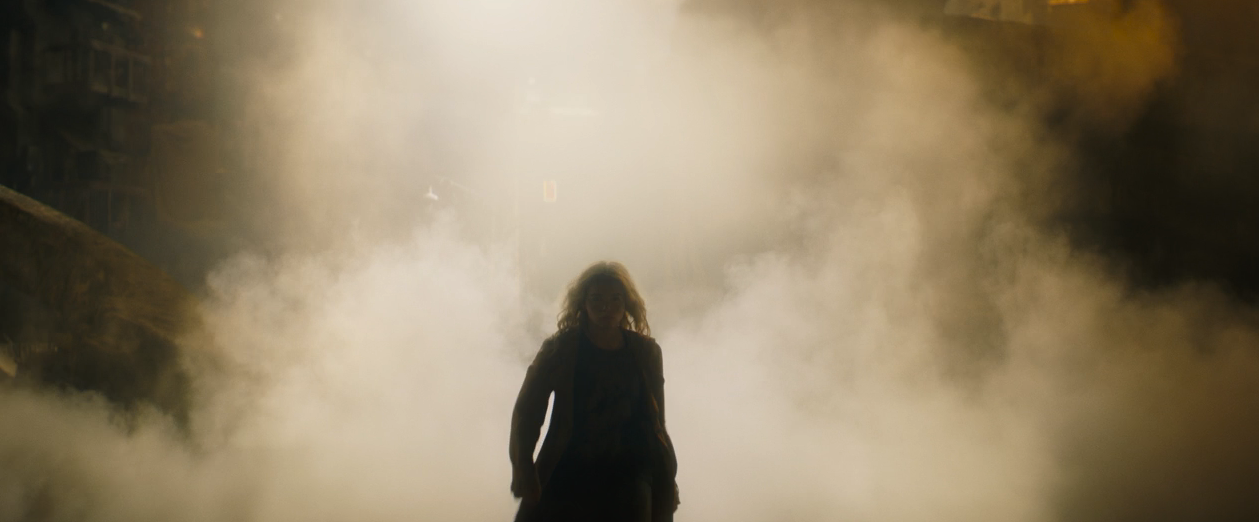
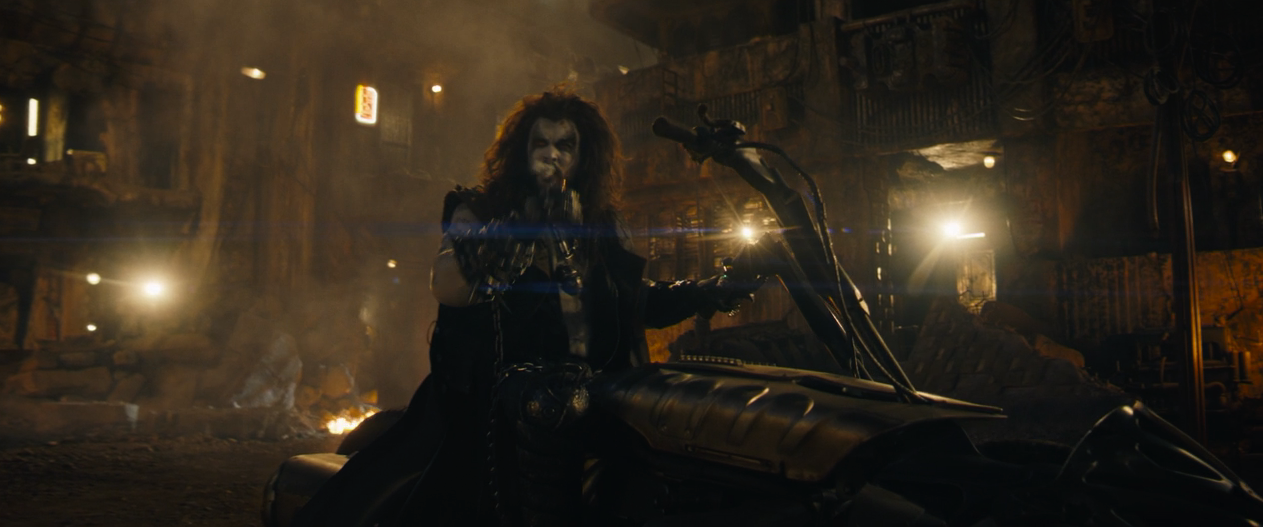
Gillespie and writer Ana Nogueira seem aware enough of that to immediately start looking for band aids, notably in the form of Momoa’s fan favorite character Lobo being brought to the screen for the first primarily because he is a fan favorite. Like Ryan Reynolds’ approach to Deadpool, there is a sense of total alignment between actor and role, as though the character has finally found the right vessel. In isolation, Lobo is one of the film’s more engaging elements. Within the narrative itself he feels like an interruption rather than an integration. The story does not need him and he is left to function like a preview of future projects rather than a necessary part of the present one.
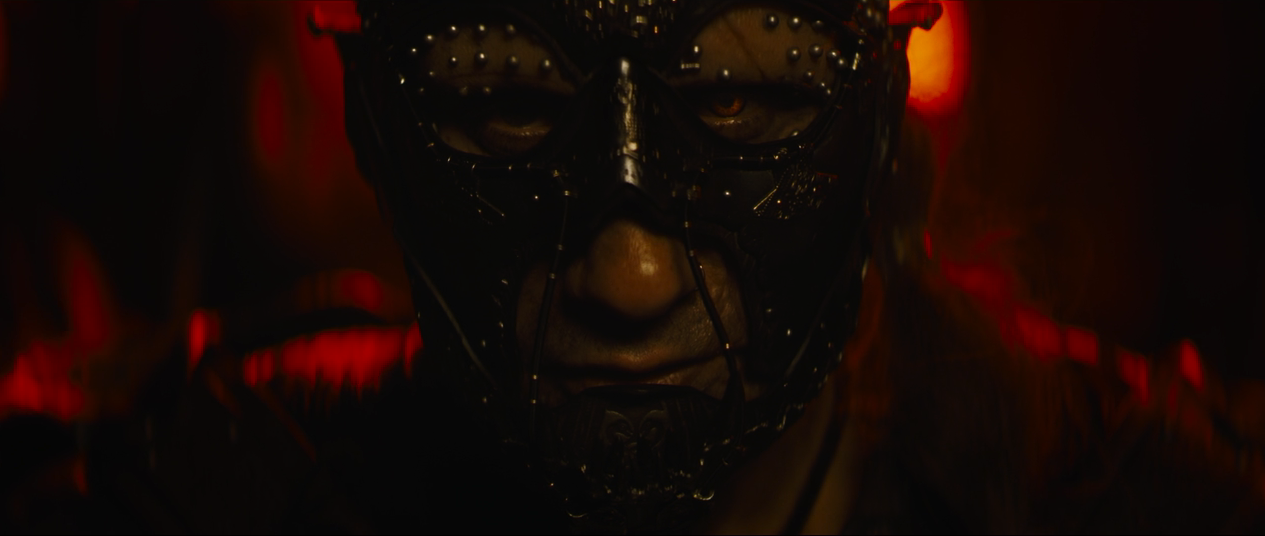
What ultimately emerges is a film that is consistently watchable but rarely distinctive. It is buoyed by a strong central performance and occasional flashes of thematic interest, but undermined by structural inconsistency, an underdeveloped villain, and a persistent sense that its most compelling ideas remain underexplored. Supergirl is not a failure, but it is also not yet a fully realized vision. It exists in an in-between state: competent, occasionally engaging, and ultimately searching for a stronger film to support the character at its center.
6.5 out of 10
Starring Milly Alcock, Eve Ridley, Matthias Schoenaerts, Jason Momoa, David Krumholts, Emily Beecham and David Corenswet. Directed by Craig Gillespie.