The Invite
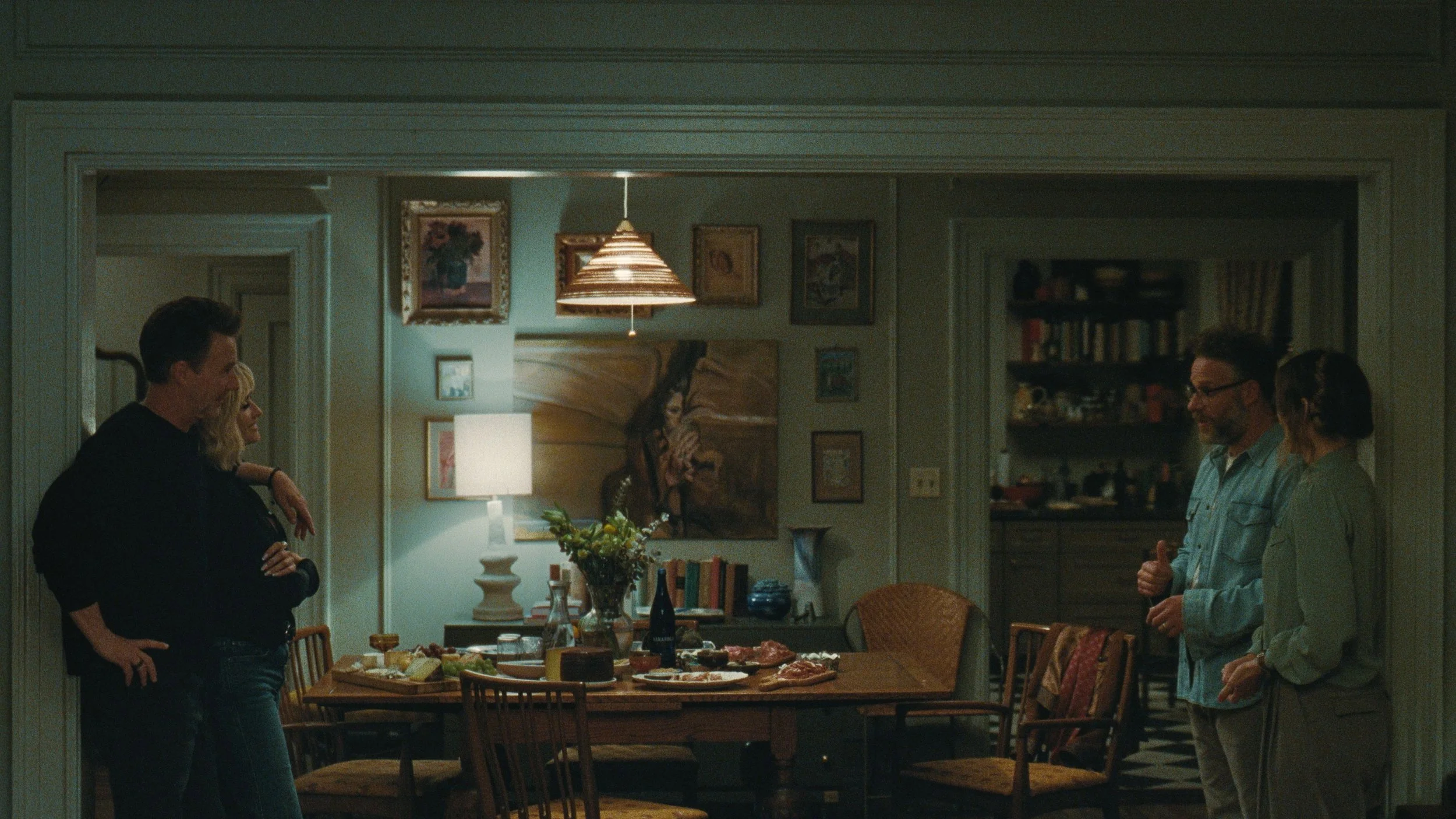
There is, we keep hearing, a dearth of adult-oriented films coming from Hollywood. A focus on kid’s films, animation and four quadrant blockbusters has sucked up all of the resources and creativity of the studio system, leaving little behind to compete with the kinds of films we used to make. Such was said in the 80s as New Hollywood ground to a halt, and in the 90s and 2000s as well, and no doubt will be in the future when looking back at the 2020s. But it’s also impossible to avoid the feeling that adult-oriented comedies like The Invite are thinner on the ground than they used to be, enough to feel refreshing even as it reminds of better films, and lenient even when it veers to shallowness. Drawing inspriration from everything from Who’s Afraid of Virginia Woolf? and Bob & Carol & Ted & Alice to Judd Apatow movies, Olivia Wilde’s adaptation of Cesc Gay’s play blends its influences into something both familiar and contemporary. It never quite shakes those influences, but that’s not necessarily a bad thing.
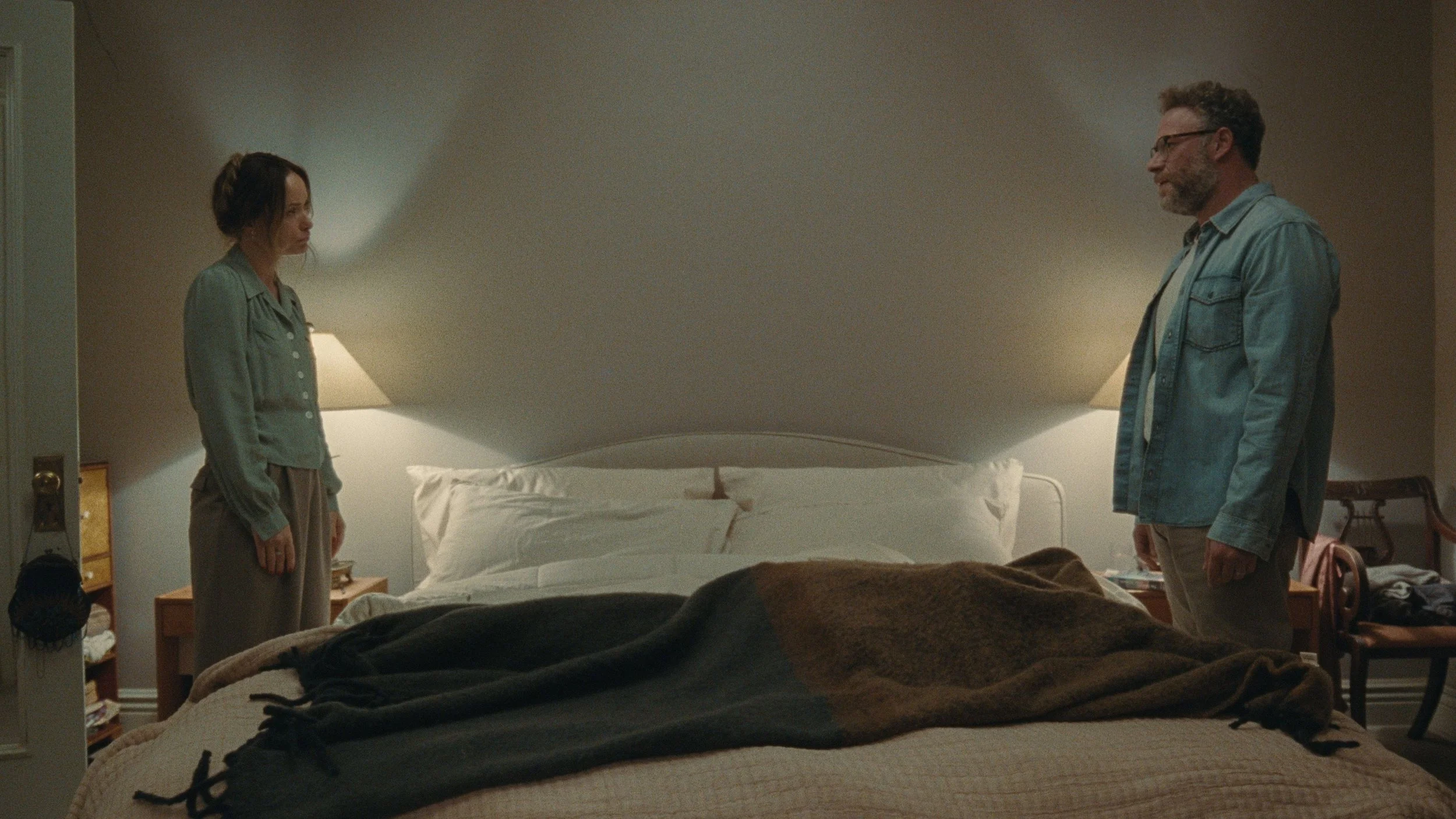
The invite in question is to Hawk and Piña (Norton and Cruz), the new couple in a toney San Francisco apartment building who have caught the eye of homemaker Angela (Wilde) and the ire of her husband Joe (Rogen). Angela, feeling shut in and unfulfilled as a stay-at-home mom, has picked the new neighbors as a way of bringing herself out of her funk by inviting them to the sort of upscale adult dinner party she wishes she threw, but doesn’t. She’s also picked them, whether she realizes it or not, because Joe can’t stand anything new or which breaks into his carefully built bubble of comfort at home and they do both, particularly with the sounds of the energetic and frequent lovemaking coming through the walls. Inviting them behind Joe’s back, Angela must combat his stubborn refusal to take part and the gradual unraveling of her preparations (including a lack of food and drink) amid escalating tension. Neither of which leaves them at all ready when the happy couple actually knocks on the door.
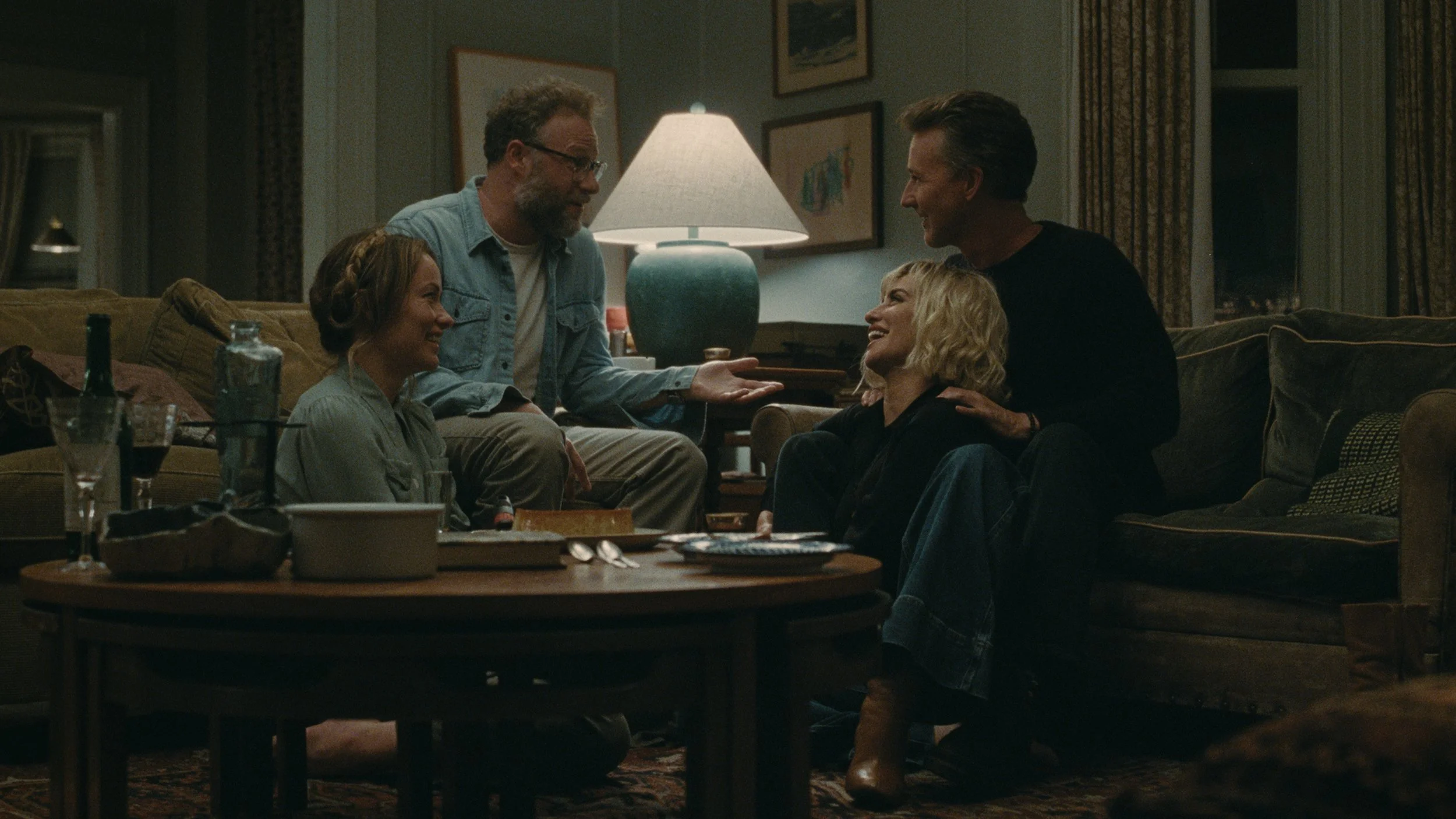
Like a good stage play (and it is obvious The Invite was one if you weren’t aware at the outset), Wilde’s film understands the value of anticipation. Nearly half its running time is spent preparing for Hawk, a retired firefighter, and Piña, a clinical sex therapist. Their entrance is built through conversation and expectation before they finally appear, at which point the film subtly changes gears, marital sniping giving way to passive aggression, curiosity, and eventually genuine self-examination. Wilde's gift for comic timing, memorably displayed in Booksmart, is back at the fore, keeping what could have become a claustrophobic, stage-bound exercise lively and cinematic. Conversations swirl from room to room, alliances shift, and the dynamics between the four characters continually evolve. The story steadily moves toward what ultimately feels like its only logical conclusion, but it reaches that destination through a series of detours, reversals, and surprising emotional.

At the core of it is Joe himself, displaying Rogen’s increasing strength with drama. His grumpiness and internal disappointment with life have manifested as chronic back pain and emerges regularly through sarcastic remarks and emotional withdrawal rather than honest engagement. A momentarily successful pop musician, his life instead has veered into the steady middle class where he works as a music schoolteacher and drowns himself in regrets on things that didn’t work out. It leaves all his conversations with Angela to dissolve into the kind of petty bickering and accumulated resentment that anyone who has spent time around a couple on the verge of divorce will immediately recognize for no other reason than she is the best available target. He’s not just the source of most amusement but the wounded soul most of drama and pathos The Invite can generate derives from.

The shift comes when the neighbors reveal the true purpose of their visit: to invite their new friends to the occasional group sex they have been taking part in for some time, the new way they approach intimacy with friends and neighbors wherever they live. What could become broad farce, and almost does, instead opens the door to unexpectedly thoughtful conversations about honesty, desire, insecurity, and the compromises people make within long-term relationships. It’s not without flaws. There are moments where the dialogue feels clunky, and even an actor as naturally charismatic as Seth Rogen struggles to make such a deeply unpleasant character consistently compelling. At times, his bitterness threatens to overwhelm the audience's sympathy.

Even so, The Invite’s wit, emotional intelligence, and willingness to continually surprise more than compensate. Beneath its provocative premise lies a compassionate observation about relationships, that the end of a marriage is not necessarily the end of love, nor even an ending in an absolute sense. Sometimes relationships simply transform into something new, and every ending contains the possibility of another beginning. That idea gives The Invite a warmth that lingers long after the credits roll and, just as importantly, reminds us why films like this matter. The Invite is exactly the sort of thoughtful, funny, conversation-driven movie people claim they want more of. If we truly do, then supporting films like this is the only way to ensure they continue to be made.
Rating 7.5 out of 10
Starring Seth Rogen, Olivia Wilde, Edward Norton and Penélope Cruz. Directed by Olivia Wilde.