VisionQuest
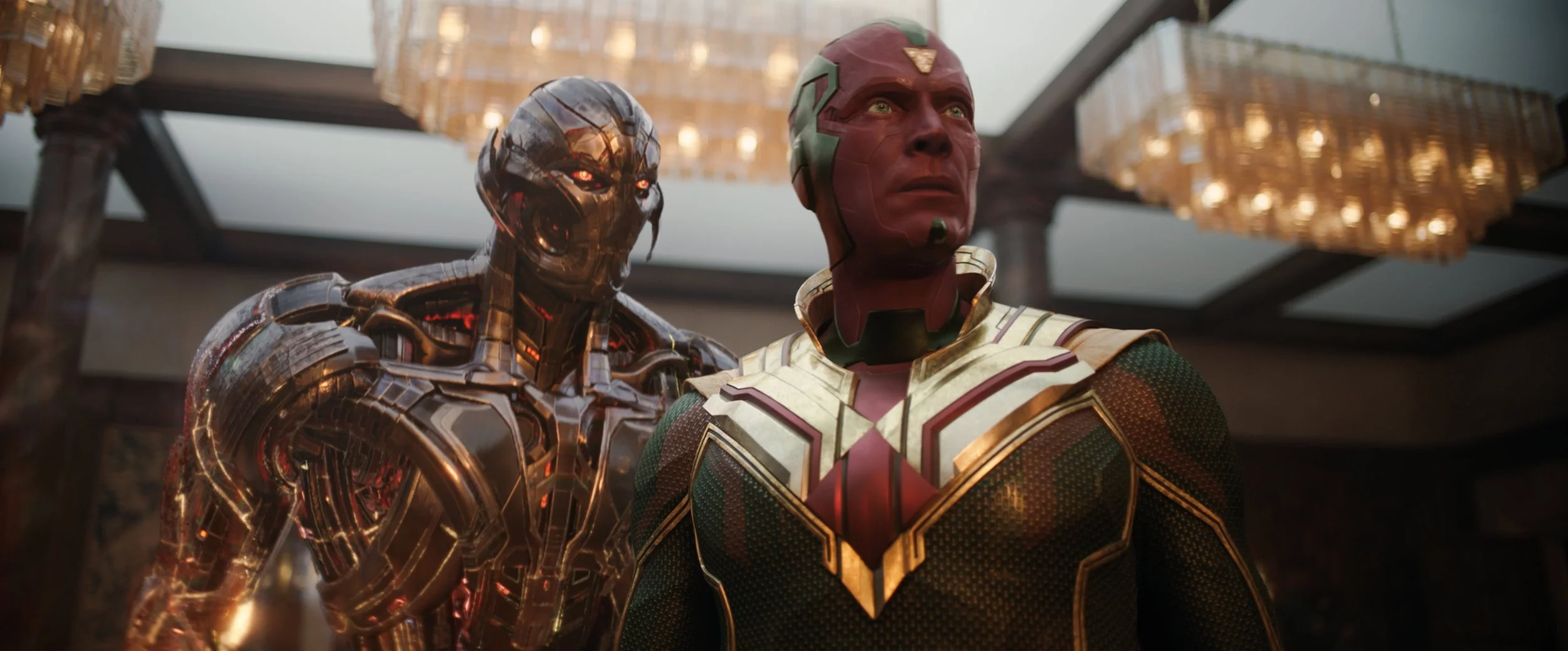
A showcase for the depths Paul Bettany and especially James Spader have been able to find in their comic book alter egos, Marvel’s VisionQuest falls prey to many of the issues which have plagued the studio’s Disney+ series as a light plot is spread over too more screentime than it can handle and which all the character development in the world can’t hide or fill. Alternately too full and too thin, VisionQuest is pulled in too many directions at once and waits as long as possible to commit to any of them while trying to preserve surprise to a point beyond any help it can do the series, leaving the final plot turns and stakes void of the power they want to have.
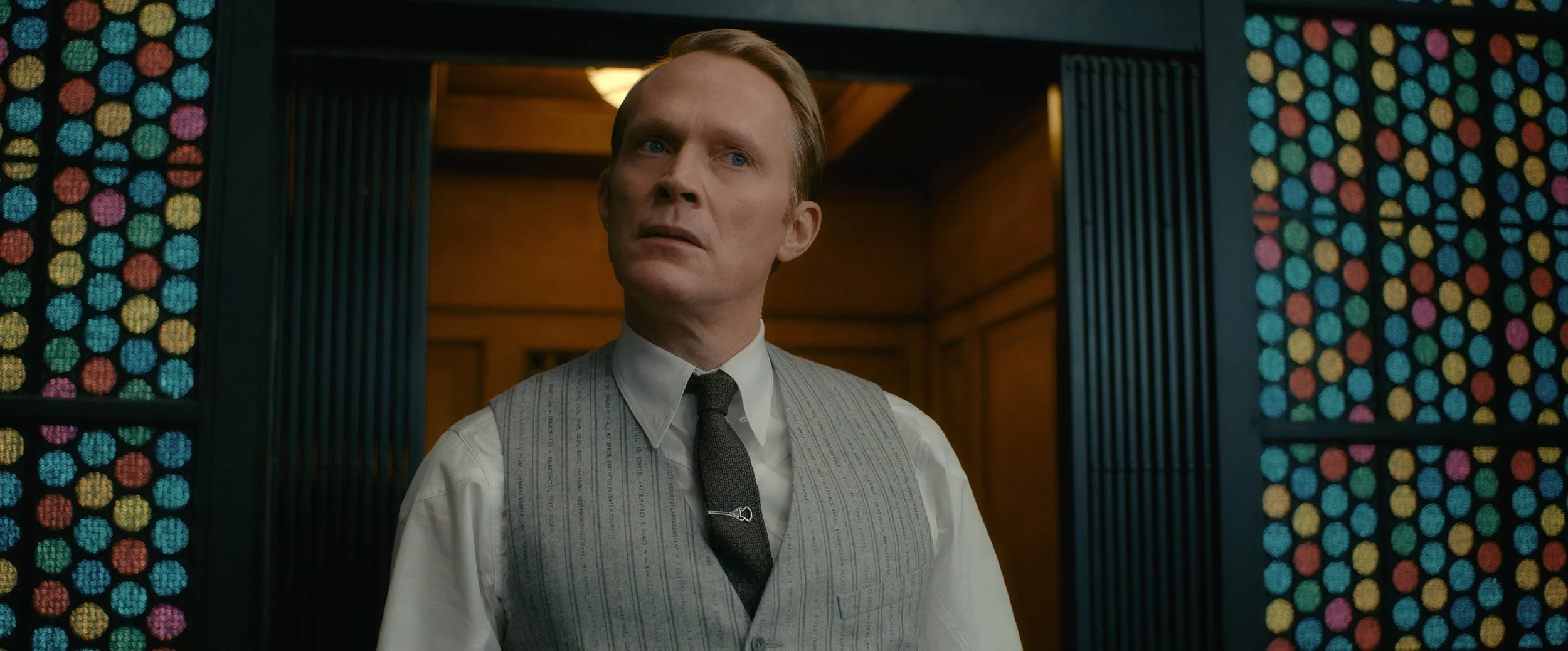
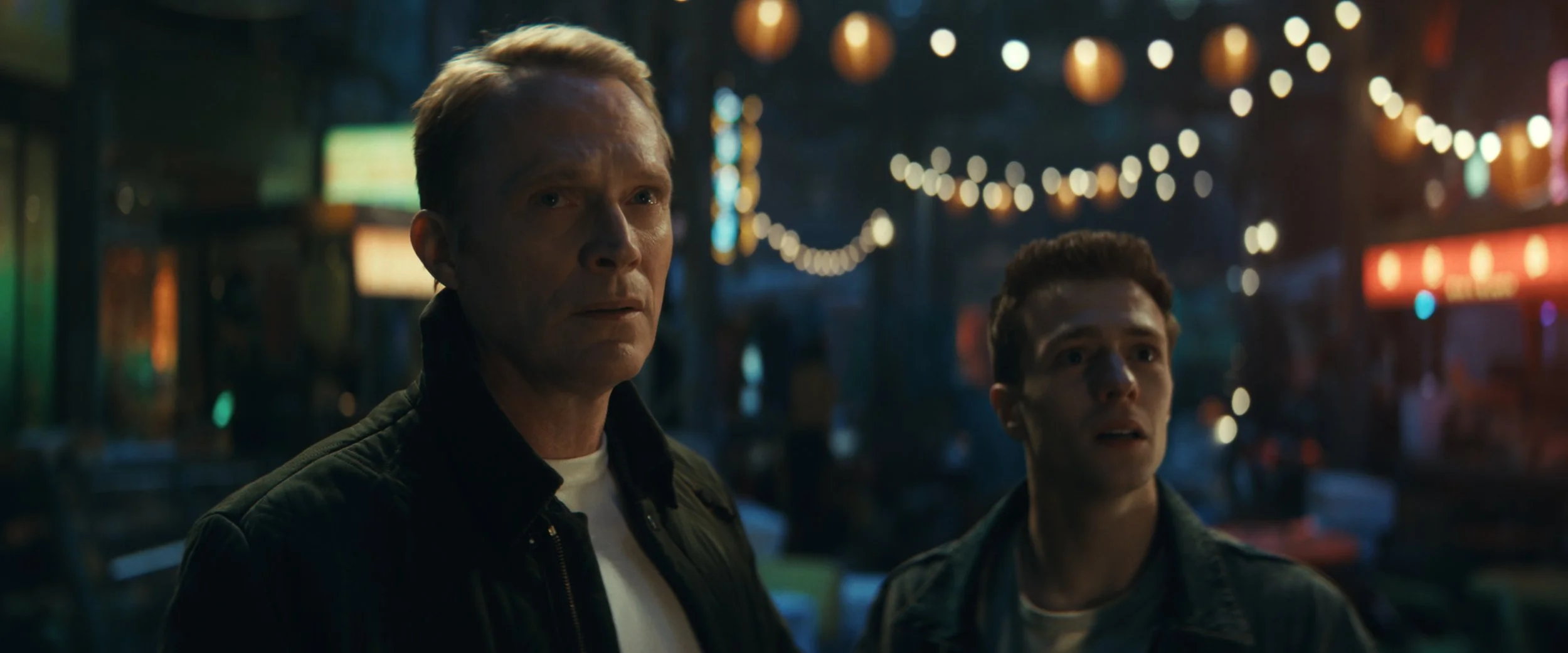
Some of that is the reality of what the series wants to accomplish. When last we left the android hero Vision (Bettany) he had been rebuilt after his destruction by the tyrant Thanos, but without any real memory of his prior life or emotional connection to his ‘wife’ Wanda Maximoff. Wanda herself dealt with Vision’s apparent destruction by conjuring a pair of children with him who seemed to disappear when her spell ended but who have somehow reappeared as adults with the powers and memories of Wanda’s daydreams, unsure of their real lives or their connections to their remembered ‘parents.’ VisionQuest ambitiously wants to deal with both of these as Vision and Tommy (Mollica) are brought together by the machinations of a mysterious hunter (Stashwick) and the figure that has hired him. Under attack from within and without, Vision has no choice but to turn to his own creator, the villainous Ultron (Spader) for answers.
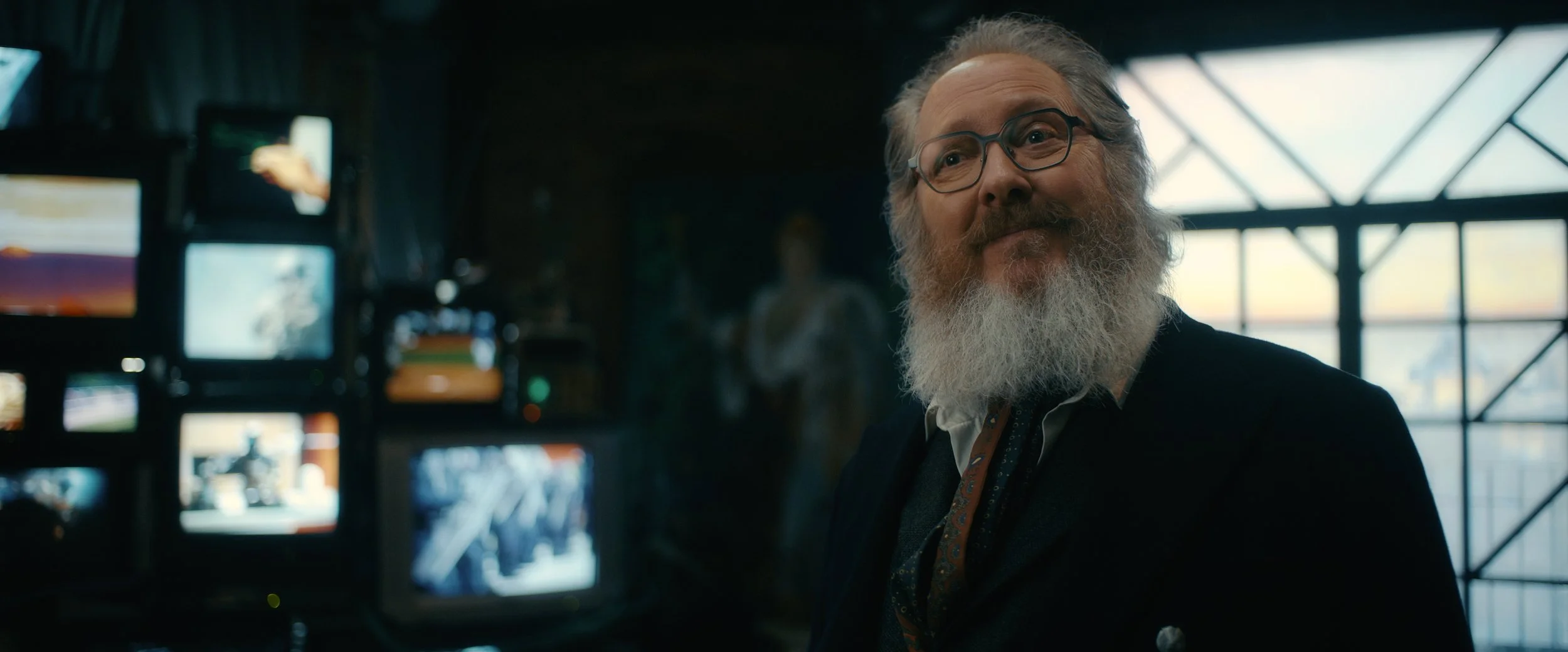
It's a lot and simultaneously only the surface of the series as VisionQuest asks questions of our modern-day concerns around artificial intelligence and its place in our world and dives into Vision and Ultron’s joint lore while also explaining how each of the characters falling into the plot came to be and why. And yet it often feels like very little. Compared with some of the early stream Marvel series, VisionQuest is very obviously on a more constrained budget; Vision and Ultron appear in their animated forms only a few times leaving the series to be one more of classic television monologue and didacticism than big budget visuals. Instead, it frequently retreats from the real world to a digital mansion where Vision the various AIs in his head observe the modern world while trying their best not to interact with it. Or else it discourses on the backstories of its characters, which in and of itself is a good thing, but it’s also filling up a lot of screen time that plot can’t be allowed to, leaving every side character and their brother to hold things up while they explain where they came from in a way that verges on unnecessary. No matter what executive producer Matalas (Star Trek: Picard) and Stashwick do, there is a logical limit on how much anyone can care about Paladin.
Matalas does however have a pair of secret weapons in the form of Bettany and Spader. Their iterations of Vision and particularly Ultron were far and away the best part of Avengers: Age of Ultron and not only have they lost none of their affinity for the characters, their own elements of pathos and limited omniscience via genius make them excellent avatars for Matals own storytelling. Their tete a tete’s are the most interesting elements of any episode as Vision both questions his own reality and probe’s Ultron’s own muddled and conflicting motivations. What could be bland plot mechanics or philosophical posturing becomes a complex and nuanced character study between the two which carries the series over its rockiest patches. It’s generally only when the series moves away from them to focus on Tommy or introduce a third android in the form of the mysterious Jocasta (Miller) that it slows down.
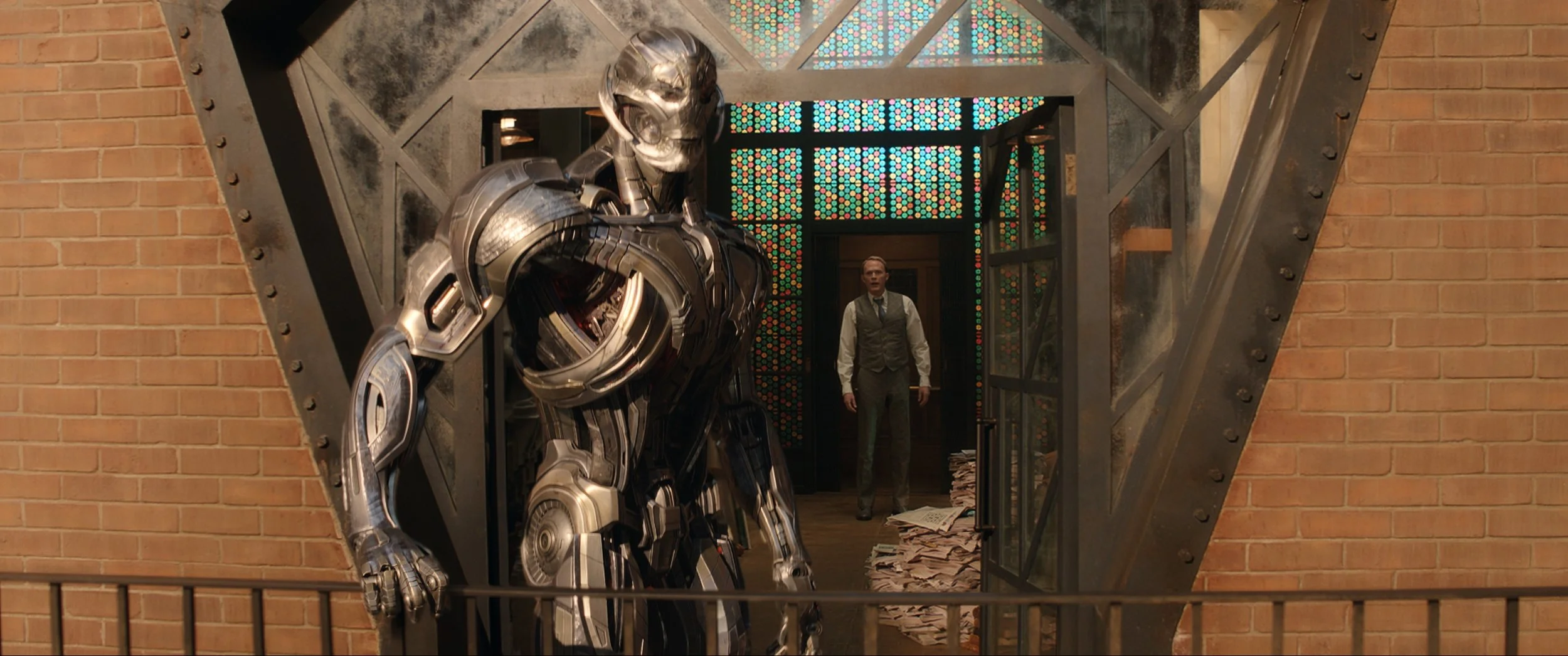
As a final conclusion to the mysteries of the Maximoff family or Vision’s own ongoing personality conflict, VisionQuest is serviceable enough but never quite lives up to the expectation of the series in a way several of Marvel’s recent series have struggled with. As a showcase for Spader’s prickly megalomaniac and Vision’s own complex relationship with both his past and future in the form of Ultron, it is as good as anything Marvel Television has produced. It’s unfortunate that you have to get through so much of the first in order to benefit from the latter or that it never quite lives up to its own ambitions, but more often than not it’s worth it for the attempt.
6.5 out of 10.
Starring Paul Bettany, James Spader, Ruaridh Mollica, Todd Stashwick, T'Nia Miller Emily Hampshire and James D'Arcy. Executive Produced by Terry Matalas.