You Can See Everything
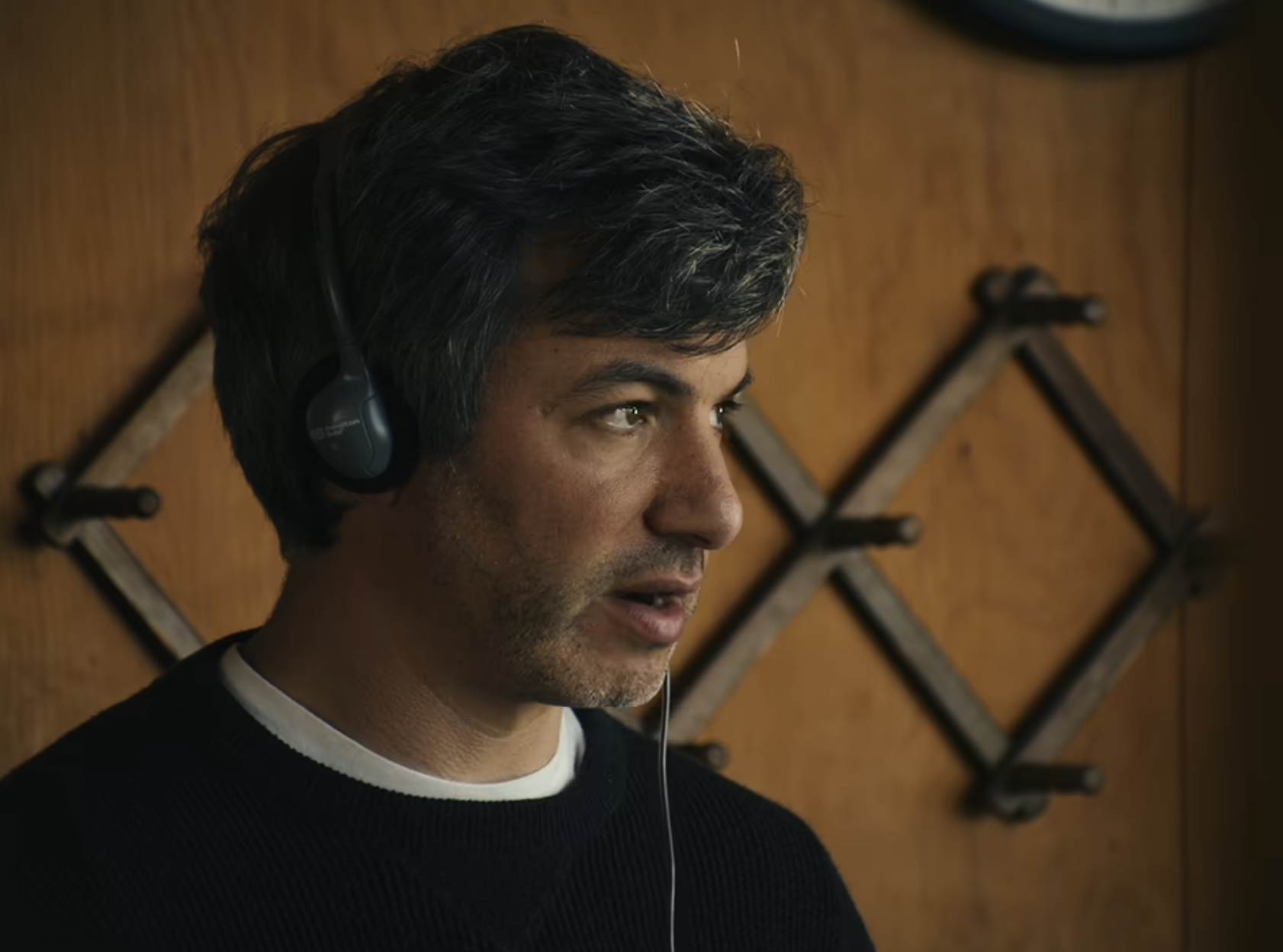
Nathan Fielder’s You Can See Everything is both a tense investigation of one of modern business’s most infamous fraudsters and a genuine investigation into the permeability between reality and fiction and how important that ambiguity is for us to function as human beings.
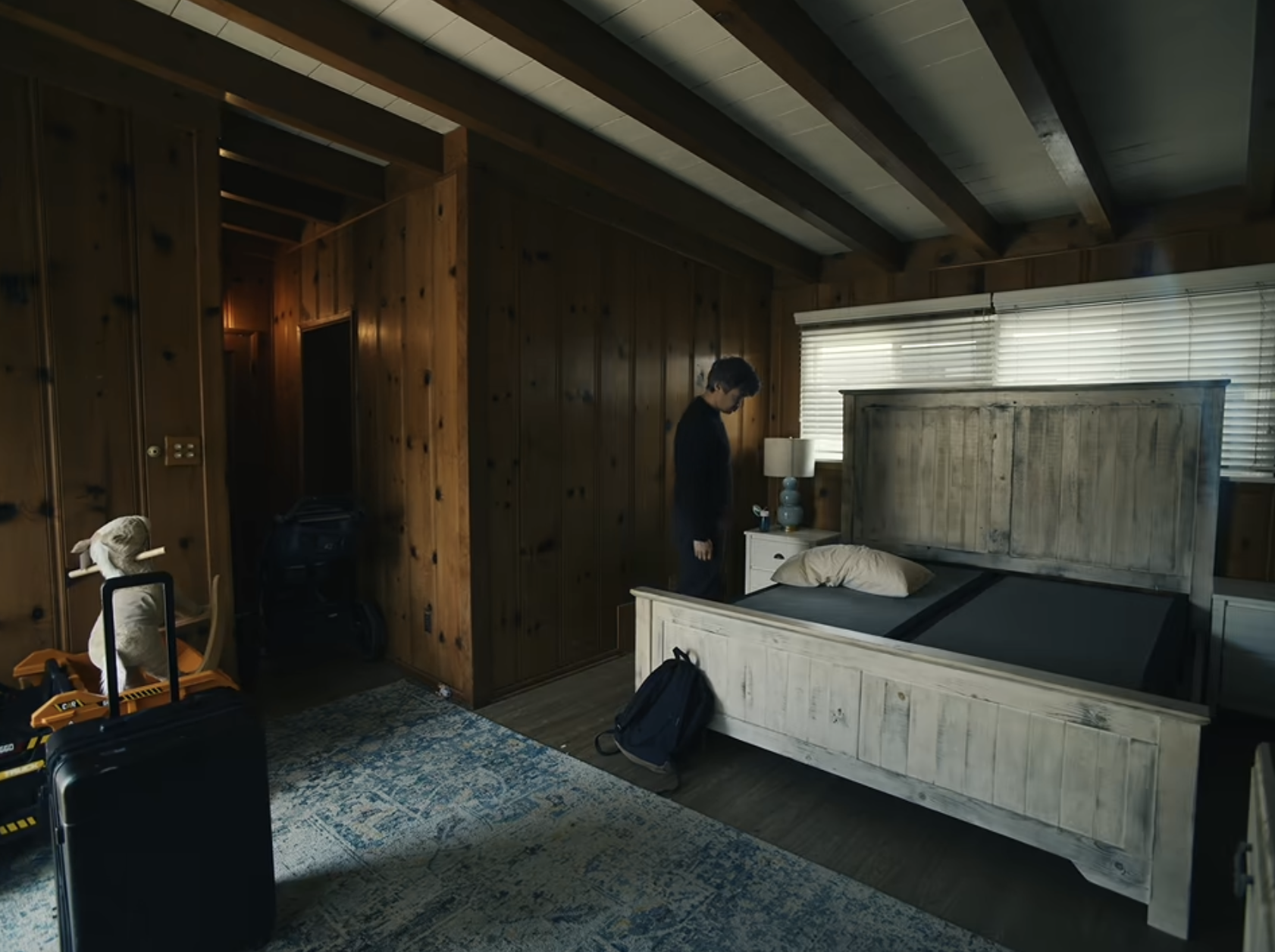
“You are most well-known for perpetrating the very thing you say cannot do,” Fielder says to Holmes, shortly before she is due to report to federal prison for fraud, about her insistence on not being able to lie and how at odds that is with her public persona. It is as clear a thesis statement of Fielder’s film (which he co-directed with documentarian Lance Oppenheim) as is possible. Fielder himself doesn’t take particular pains to fill in history about Holmes, assuming some level of knowledge of her and her actions – that she left college young to found the company Theranos to produce a machine which could perform complex blood tests on a small amount of blood and after years of presentations and bountiful press was found guilty of defrauding investors which ultimately led to her being sentenced to 11 years in federal prison, an odyssey which was ultimately covered in multiple books and an award winning TV series starring Amanda Seyfried. Yes, this is all germaine.
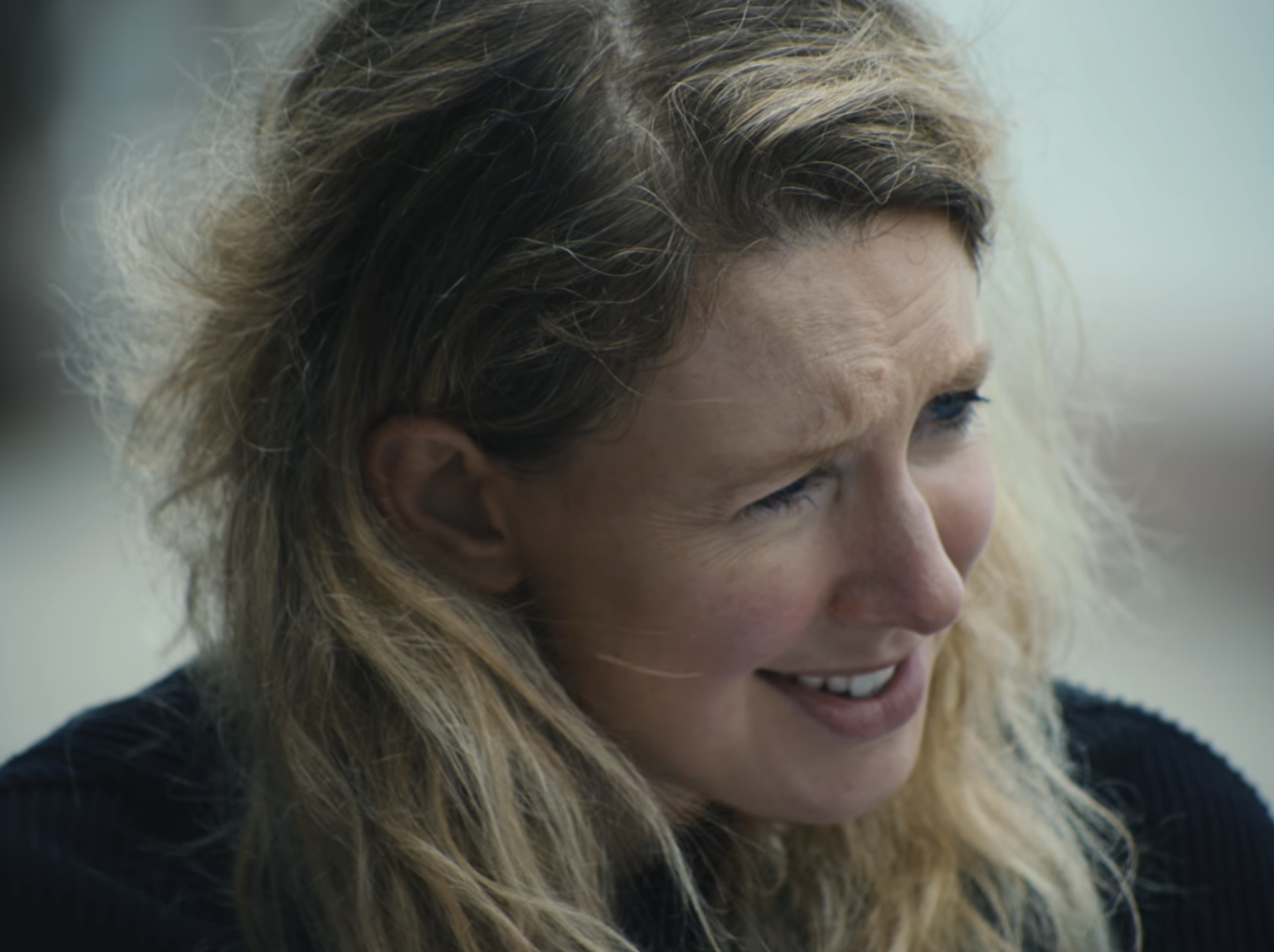
During the extensive trial and appeals process, Elizabeth met and married Silicon Valley venture capitalist Billy Evans and started a family with him even with the reality of their inevitable separation hovering over them. Three months before reporting for prison, Fielder began meeting with them and documenting their life, including their attempts to build a new version of Theranos and sell it to a new iteration of investors even as Elizabeth prepares to pay the price for her first attempt, an irony not at all lost on the filmmakers but apparently completely lost on Billy and Elizabeth.
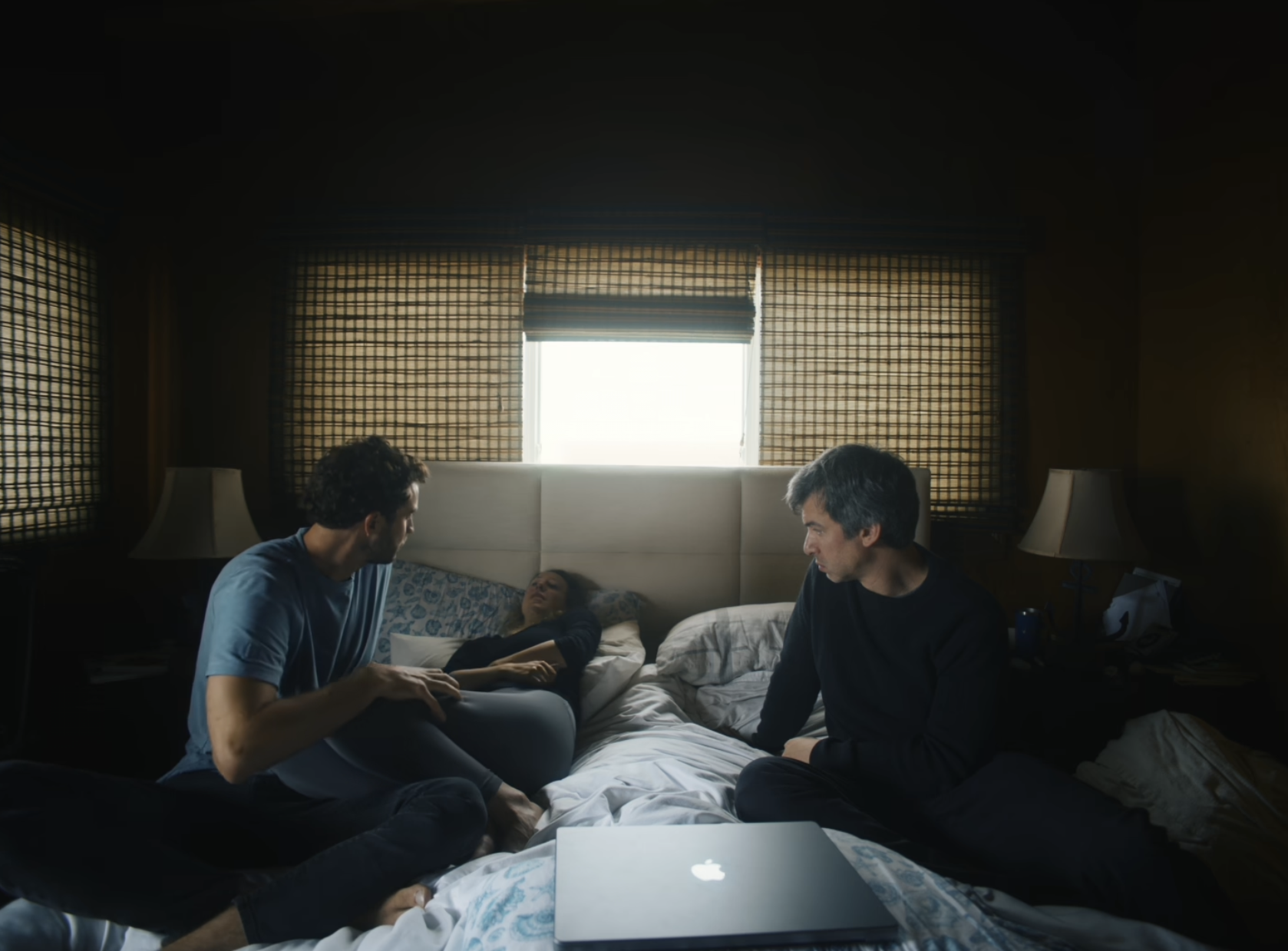
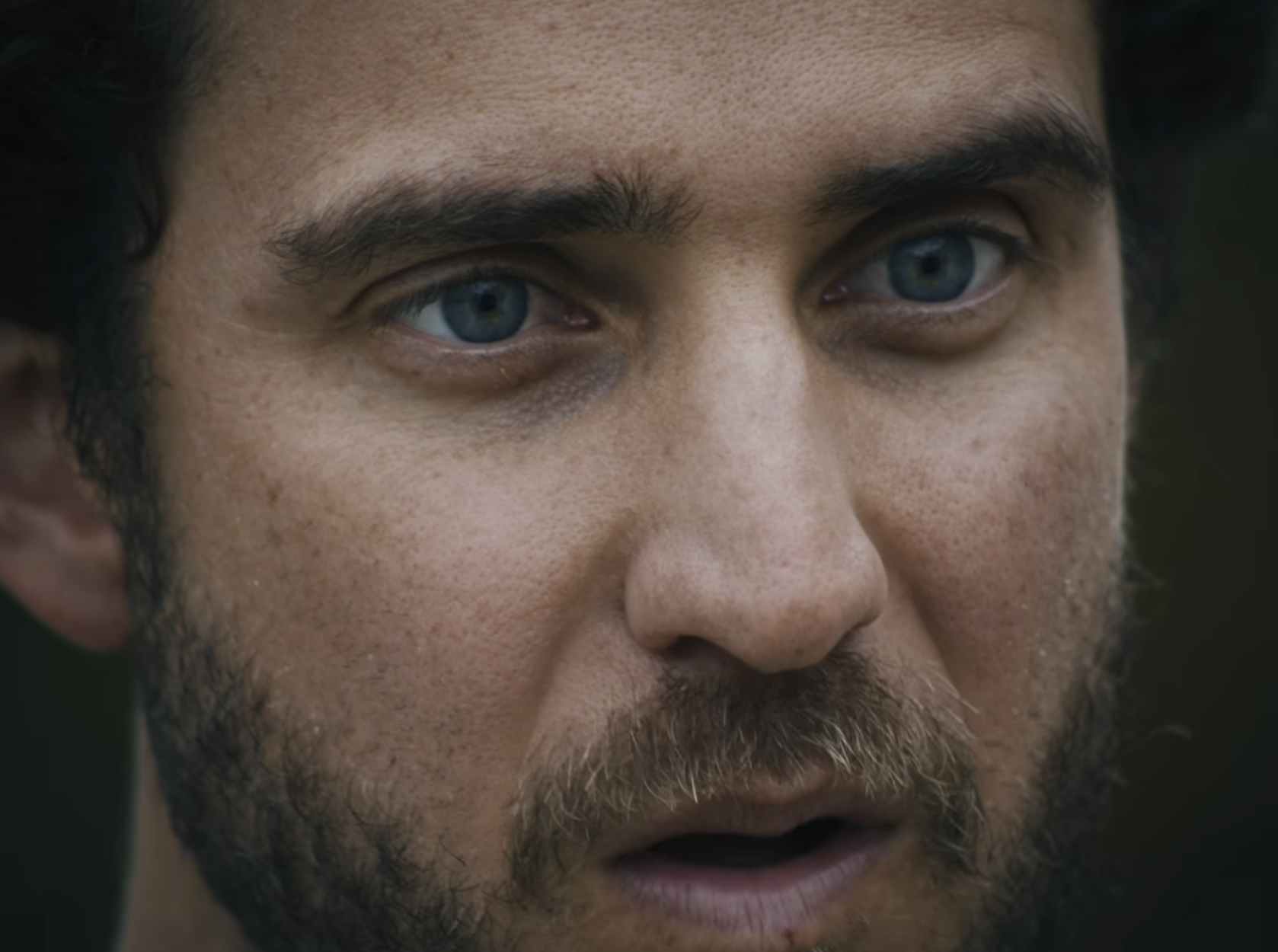
If You Can See Everything was just what it seems on its face it would be naturally engrossing. But rather than a straight forward investigative or interrogative piece, Fiedler frequently steps back into almost a thriller, his presence haunting the places it takes place like a shadowy ghost overseeing these young lives while keeping Elizabeth and Billy in extreme closup to the point where their faces stop looking like human beings and start seem like mostly humanlike animatronics which somehow seem just short of human. The entire first half, up to the point where Elizabeth does actively go to prison in Texas, takes place in a rental house on the San Diego coast as Fielder observes their past with something like empathy and their approaching future with concern over their plans and interrogates Elizabeth and, increasingly, Billy for any sense of culpability over her / their deeds.
It shouldn’t surprise, but does, that they have known. Not just collectively but throughout their entire family and support structure that view the charges and trial as an unfair scapegoating of a martyr filled with nothing but the purest of intentions who remains thoroughly confused on how they got into the situation they are in. That in and of itself would be at least something of an expected reaction as people do build internal defenses against viewing themselves in a negative light, albeit one which is punctures some as Elizabeth’s parents nonverbally react to her work on her new company idea even as they vocally blame her former business partner Sunny Balwami, who she was also in a relationship with just as with Billy. Which is where things begin to spiral, in the most interesting sense, as Fielder spends more and more time with and focuses as much on Billy and the way he enables and attempts to control Elizabeth.

Some of that is by necessity as Elizabeth must eventually report to prison and can no longer be an active participant of the film while Fielder still wants to look in to their attempts to repeat Theranos and, increasingly, Billy’s attempts to control Elizabeth’s image while she is cut off from the world, and the film itself. It’s here that Fielder himself delves more and more, not just into reacreation, but genuinely disturbing combinations of fantasy and reality – all while stating a desire to show only reality – in a way that Holmes herself would identify.
Like most great documentaries, no matter what it’s creators seem to think, there are no easy answers. Except maybe that Billy Evans has some sort of personality disorder. Only messy, strange humanity that resists easy categorization. That may be its greatest discovery of all.
8.5 out of 10
Starring Nathan Fielder, Elizabeth Holmes, Billy Evans and Amanda Seyfried. Directed by Nathan Fielder and Lance Oppenheim.